
Art Conservation: Preserving Masterpieces for Future Generations
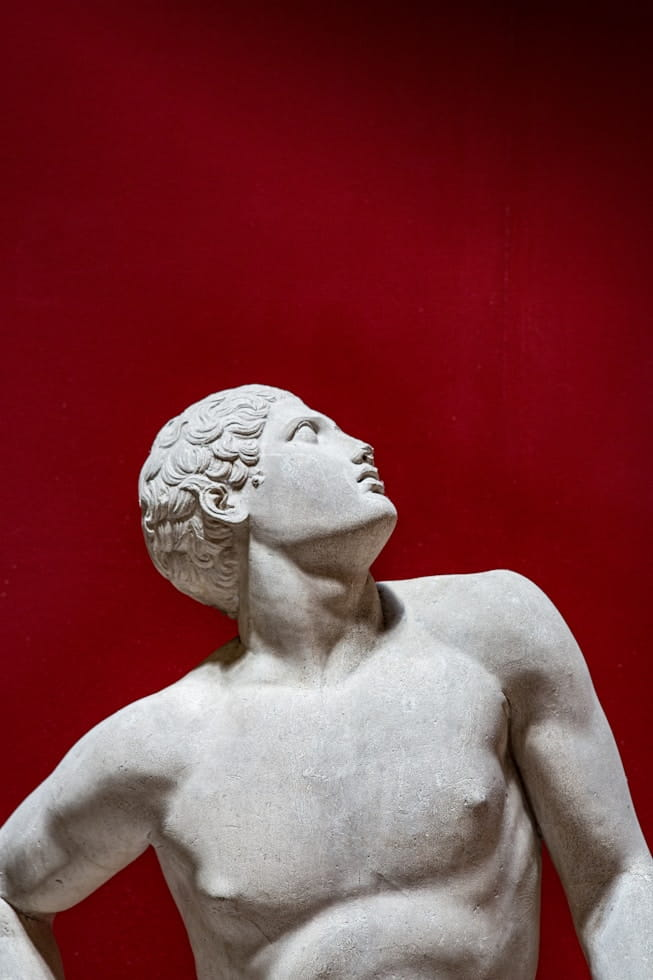
Behind every masterpiece on museum walls lies an invisible army of conservators working to preserve our cultural heritage. These scientific detectives use cutting-edge technology and traditional craftmanship to ensure that future generations can experience the same artworks that inspire us today. Their work reveals fascinating secrets about artistic techniques while raising profound questions about authenticity […]
The Art of Exhibition Design: How Museums Shape Your Experience
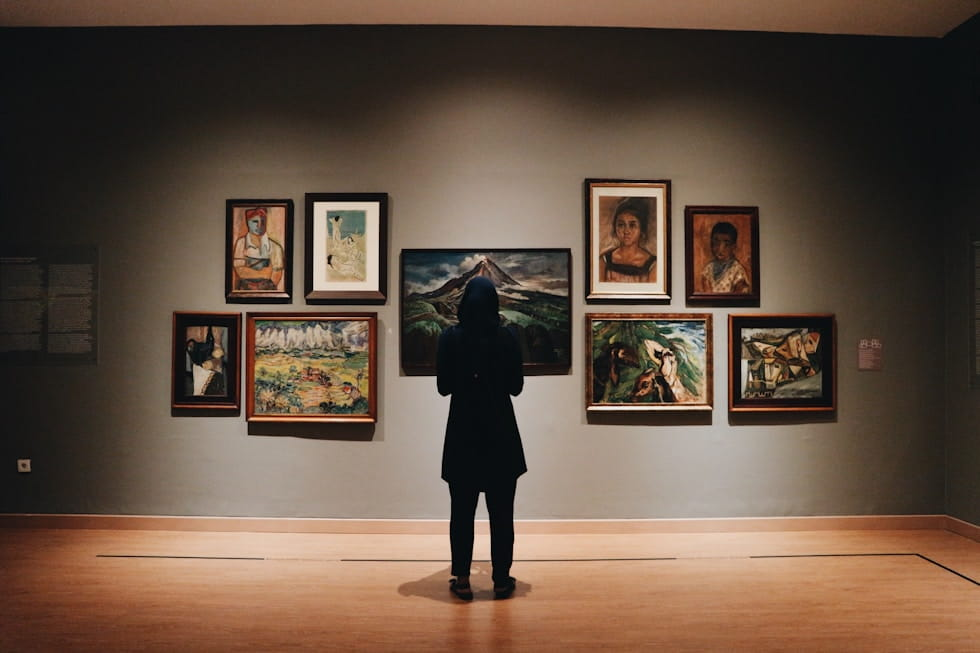
Great museum exhibitions don’t just happen—they’re carefully orchestrated experiences that guide your journey through art, history, and ideas. Behind every memorable museum visit lies sophisticated planning that considers everything from wall colors to walking patterns. Understanding exhibition design reveals how museums shape our encounters with art. The Curator’s Vision Exhibition design begins with a curatorial […]
Art Movements: From Impressionism to Abstract Expressionism
The late 19th and early 20th centuries witnessed an artistic revolution that shattered centuries of tradition and redefined what art could be. Understanding these interconnected movements helps us navigate the complex landscape of modern art and appreciate how each built upon or reacted against its predecessors. Impressionism (1860s-1880s): Capturing the Moment Impressionism began as rebellion […]
The Evolution of Landscape Painting: From Background to Star
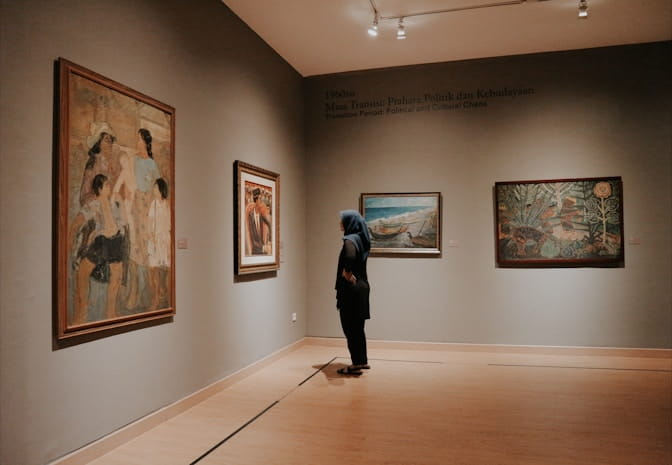
Landscape painting’s journey from decorative backdrop to starring role mirrors humanity’s changing relationship with nature itself. This evolution reveals not just artistic development, but shifting cultural values, scientific understanding, and spiritual beliefs about our place in the natural world. Ancient Beginnings: Nature as Setting In ancient art, landscape served purely functional purposes—providing context for human […]
Women Artists in History: Overlooked Masters Finally Getting Their Due
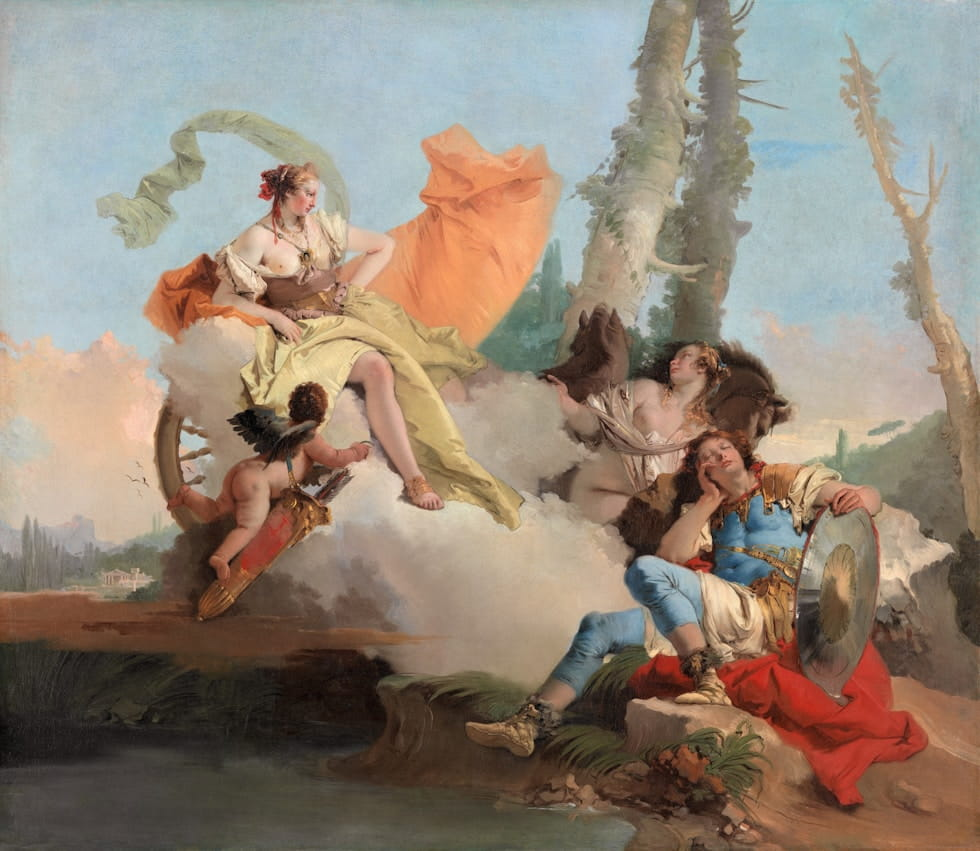
For centuries, women artists faced barriers that would have stopped less determined souls: barred from life drawing classes, excluded from academies, dismissed by critics, and often forgotten by history. Yet they persevered, creating works of extraordinary power and beauty. Today, museums and scholars are working to restore these artists to their rightful place in art […]
Color Theory in Art: How Artists Manipulate Emotion Through Hue
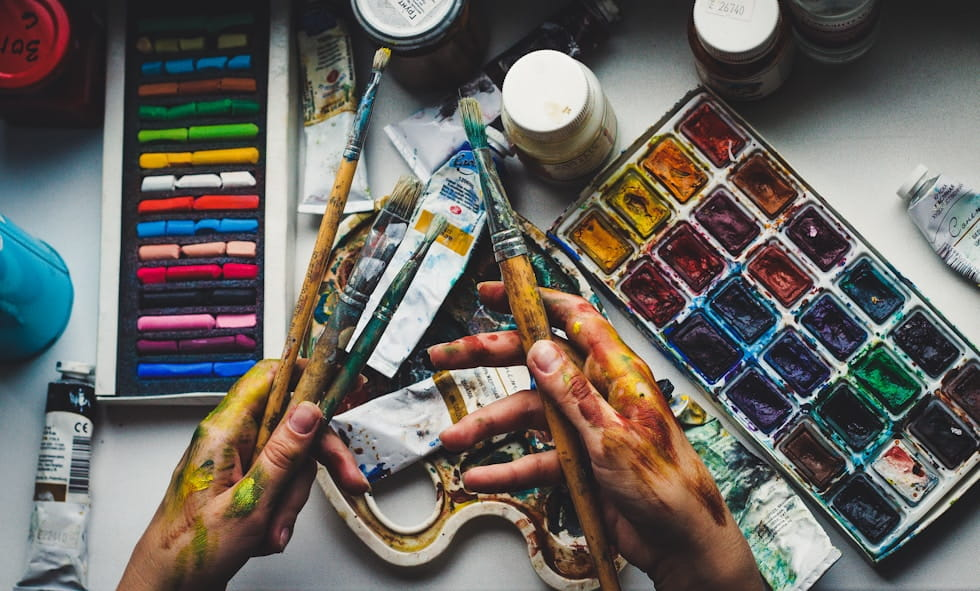
Color is perhaps the most immediate and emotional element in visual art. Before we consciously process a painting’s subject matter, our brains are already responding to its colors. Understanding how artists use color theory helps us appreciate the sophisticated psychological effects they create. The Emotional Power of Color Colors trigger instinctive responses rooted in human […]
From Sketch to Masterpiece: The Artistic Process Revealed
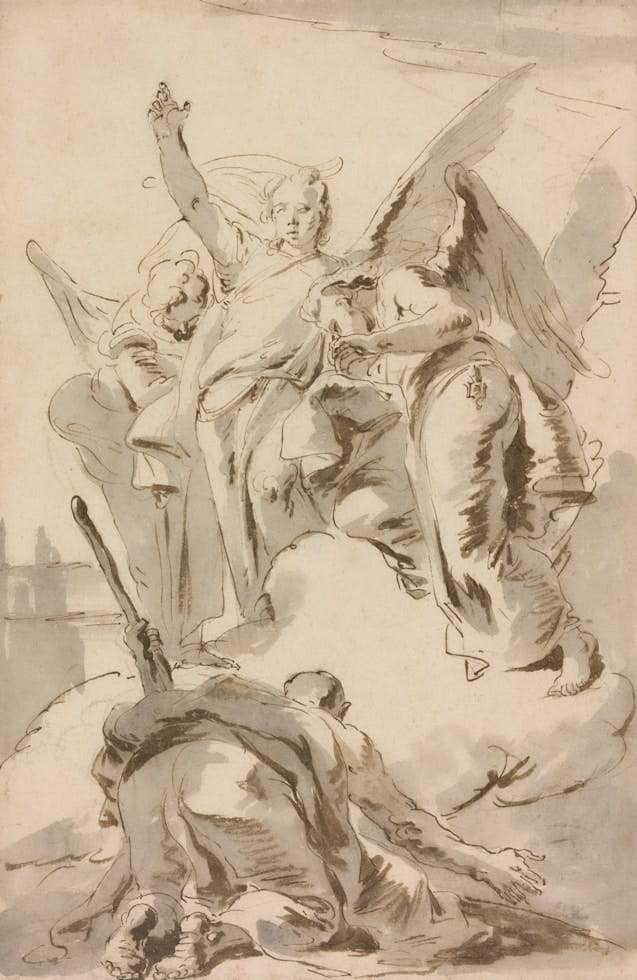
Behind every finished masterpiece lies a fascinating journey of creation, filled with decisions, revisions, and moments of inspiration. Understanding this process helps us appreciate not just the final work, but the artist’s mind at work. Modern technology, including X-rays and infrared imaging, has revealed the hidden stories beneath painted surfaces. The Initial Vision Most works […]
Hidden Symbols: Decoding the Secret Language of Classical Art
Classical art is filled with hidden messages, symbols, and meanings that once were as clear to viewers as road signs are to us today. These visual codes created a rich tapestry of communication between artist and audience. Learning to decode these symbols transforms our viewing experience from simple appreciation to deep understanding. Religious Symbolism In […]
The Language of Sculpture: Reading Form, Space, and Material
Sculpture speaks without words, yet its language is rich and complex. Unlike painting, which captures a moment frozen in two dimensions, sculpture exists in our world—it occupies space, casts shadows, and changes as we move around it. Understanding this three-dimensional language opens up new ways to appreciate these remarkable works of art. Form and Volume […]